Wednesday, December 10th 2025 Reporter: Aldi Geri Lumban Tobing Translator: Maria Inggita 235
(Foto: doc)
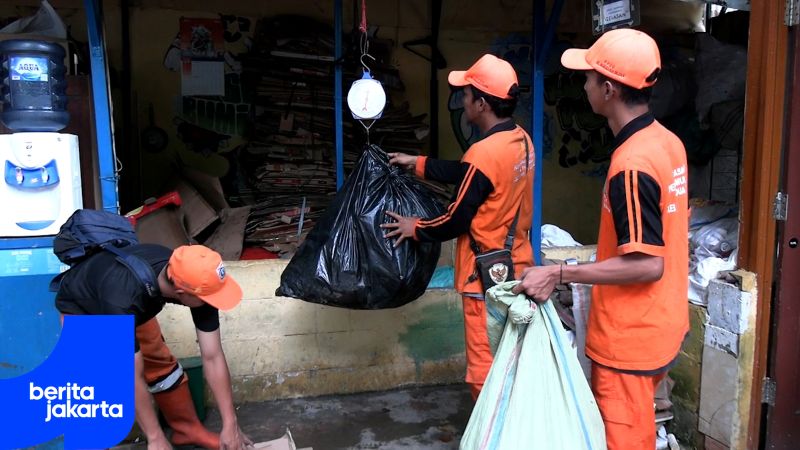
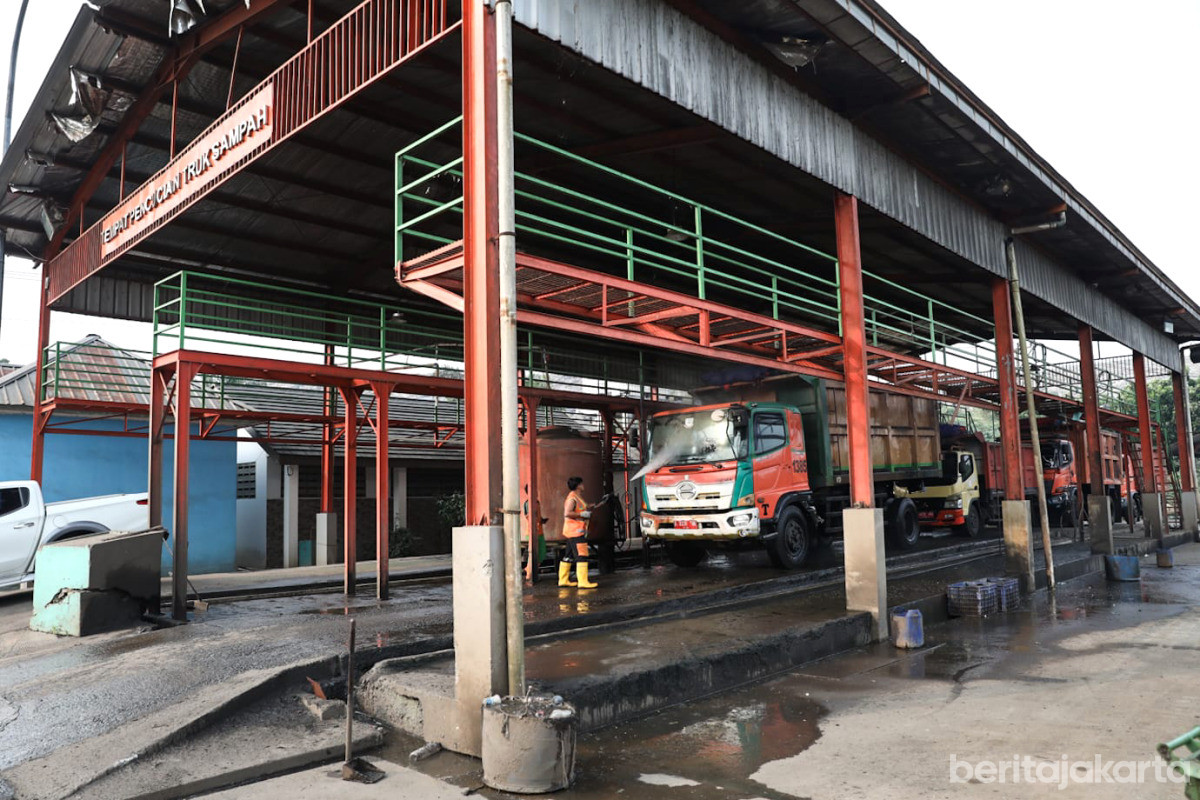
Following the death of a waste truck driver after his shift, the Jakarta Environment (LH) Agency has tightened health and safety protocols and restructured waste management procedures to improve safety and ensure more secure, orderly operations for its field workers.
"Safety must remain the main foundation in every operational policy,"
Jakarta LH Agency Head Asep Kuswanto said the incident served as a reminder to tighten occupational safety standards to prevent similar tragedies.
He added that all field personnel under the agency are now covered by public health insurance (BPJS Kesehatan), and going forward, they will be required to undergo regular free health check-ups at healthcare facilities.
"We extend our deepest condolences. He suffered a suspected heart attack possibly triggered by exhaustion. The LH Agency is ensuring that all entitlements and compensation for the family are being processed, including expedited registration under BPJS Ketenagakerjaan," he said, on Wednesday (12/10).
According to Asep, a comprehensive internal evaluation is underway, particularly regarding the long queues at TPST Bantargebang that contribute to driver exhaustion. He highlighted the need for reforms to shorten waiting periods on site.
"The longer the trucks wait, the higher the safety risk due to driver fatigue. Therefore, safety must remain the main foundation in every operational policy," he asserted.
Jakarta LH Agency is also reorganizing its waste-collection schedules and routes across five city regions to prevent pileups during peak hours. This adjustment is expected to ensure a more efficient waste disposal process and improved working conditions.
"With more evenly distributed workloads and stronger information system support, waiting times can be minimized and workloads better balanced," he mentioned.
According to him, these measures mark an opportunitiy to strengthen Jakarta's waste-management system comprehensively, from regulating disposal points to improving supporting facilities in the field.
"Through these improvements, we aim to make Jakarta's waste-management system more efficient, safer, and more considerate of the workers. Our priority is to safeguard the workers who keep the city clean," he stated.