Wednesday, November 4th 2026 Reporter: Aldi Geri Lumban Tobing Translator: Nugroho Adibrata 38
(Foto: Istimewa)
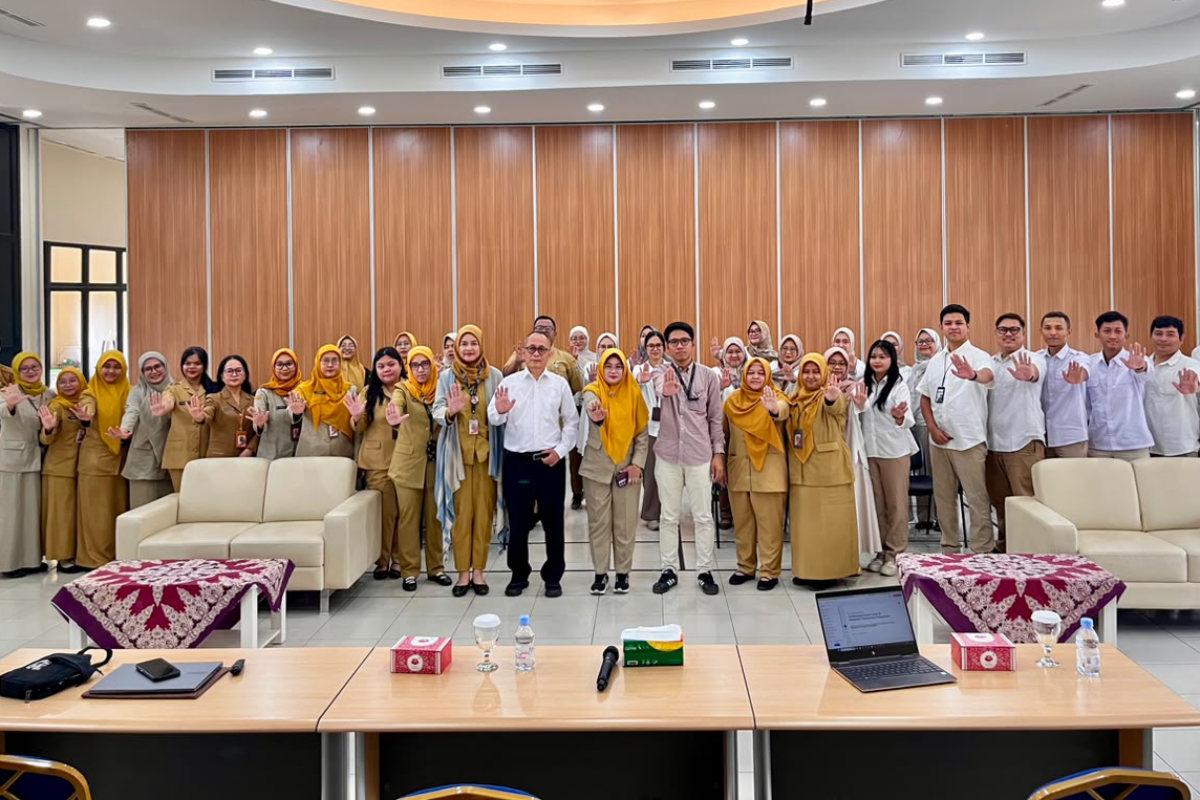
Aiming to reinforce inter-agency coordination, the Jakarta Women and Children Protection Center (UPT PPPA) organized a program titled Strengthening Referral Mechanisms for Care Planning in Handling Cases of Children in Need of Special Protection.
The event aims to bolster cross-sector coordination to ensure that every child receives appropriate interventions aligned with their needs and best interests.
Interventions for children requiring special protection must not end
Attendees at the gathering comprised delegates from the Jakarta Bureau of Social Welfare, Agency for Empowerment, Child Protection, and Population Control, Social Affairs Agency and its city-level branches, various social welfare organizations, and officials from Jakarta's UPT PPPA.
Guest speakers at the event were Nahar, representing the Bandung Social Welfare Polytechnic (Poltekesos), and Rendiansyah Putra Dinata of Save the Children Indonesia.
During the session, stakeholders addressed hurdles in executing referral mechanisms and care planning, while clarifying the roles of each institution in supporting children requiring special protection.
Jakarta PPPA Executing Unit Head Rahayu Sri Rahmawati emphasized that all children are entitled to a safe upbringing, emotional warmth, and certainty of care, though not all have access to supportive domestic environments.
She observed that children subjected to violence, neglect, exploitation, or family disputes must at times undergo protective interventions outside the home, requiring dedicated focus to secure appropriate, safe, and long-term care.
“Interventions for children requiring special protection must not end with merely removing them from harm. More importantly, we must ensure that these children can live safely and receive care conducive to their holistic growth,” she stressed, Wednesday (11/4).
Rahayu emphasized that when children are separated from their households because of violence, neglect, or perilous circumstances, providing temporary care is only the first step.
“We must also plan for the child’s future—determining who will raise them, how their developmental needs will be fulfilled, and how we can guarantee a secure environment for them,” she added.
She noted that care planning is vital in child cases, stressing that all decisions must stem from comprehensive assessments factoring in a child's safety, needs, and best interests.
She continued care within the family remains the priority as long as the family is considered fit to protect and support the child.
“If the family environment is potentially harmful, however, suitable alternative care must be arranged based on assessment outcomes and existing rules,” she continued.
Placing children in welfare institutions, she explained, is not just about temporary housing; it requires continuous planning, monitoring, and review, including the potential for children to return to their families once conditions are safe.
“Children must not merely be bounced around without care certainty. We have to make sure every process truly serves their needs and ensures sustainable care,” she explained.
She noted that multi-stakeholder collaboration is crucial, as the UPT PPPA cannot handle everything alone when addressing complex needs such as protection, psychosocial aid, basic essentials, and long-term care.
By strengthening referral mechanisms, she hopes there will be greater clarity regarding referral criteria, the division of roles among agencies, and coordination workflows—from assessment and intake to service delivery and follow-up monitoring.
“This will ensure that children do not face fragmented care resulting from a lack of inter-agency coordination,” she added.
She hoped that bolstering coordination would help create a more focused, unified, and enduring referral system, emphasizing that behind every case lies a young life and future worth protecting.
Every caregiving decision, Rahayu pointed out, goes beyond simply arranging a roof over a child's head; it is about guaranteeing them the chance to thrive, feel secure, experience love, and pursue a brighter future.
“We (UPT PPPA) remain dedicated to deepening inter-agency collaboration to ensure all children receive protection and care centered on their best interests,” she stated.