Monday, November 2nd 2026 Reporter: Tiyo Surya Sakti Translator: Maria Inggita 119
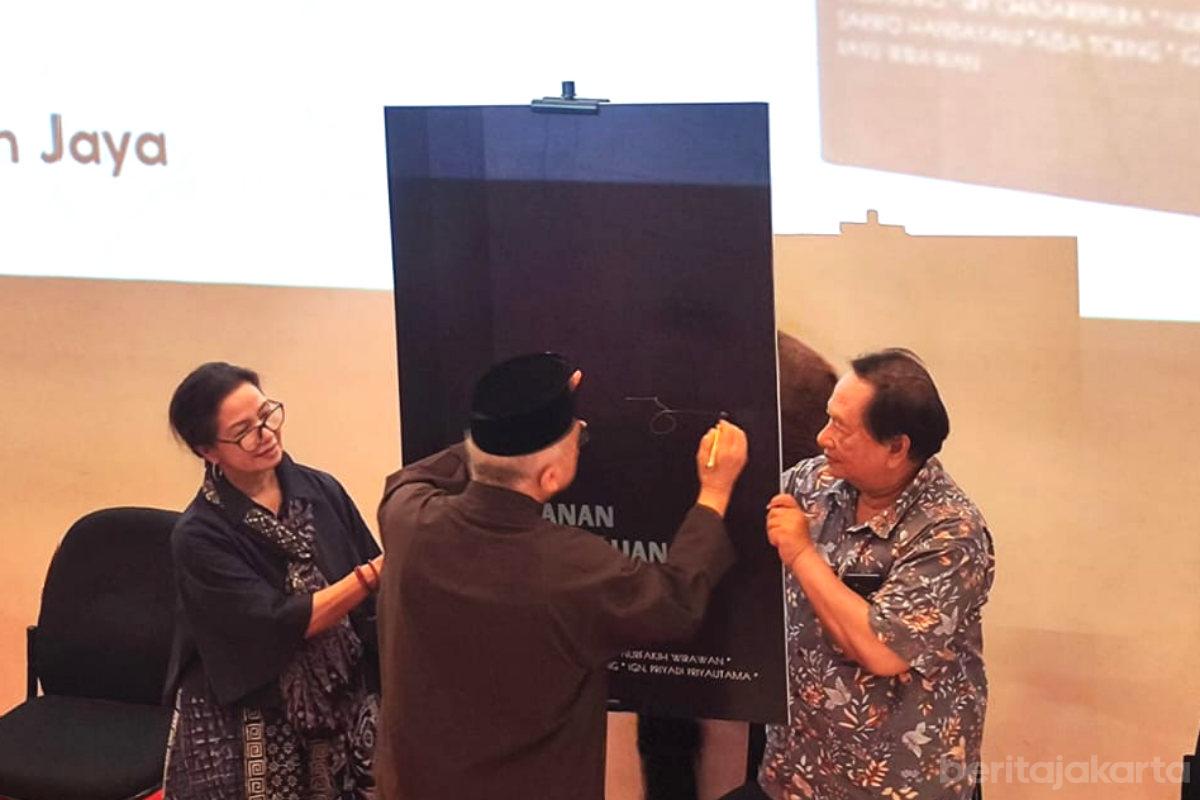
(Foto: Tiyo Surya Sakti)
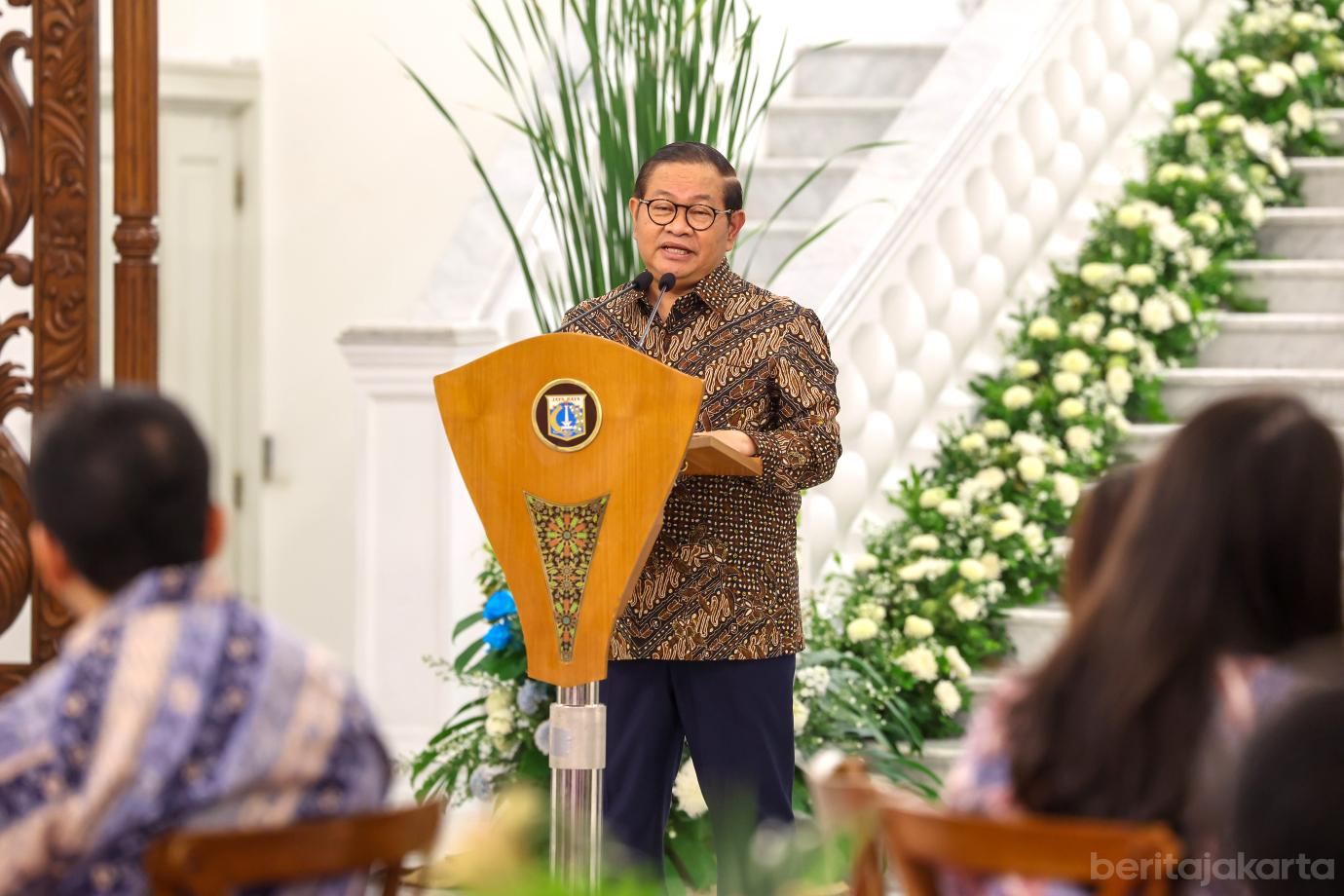
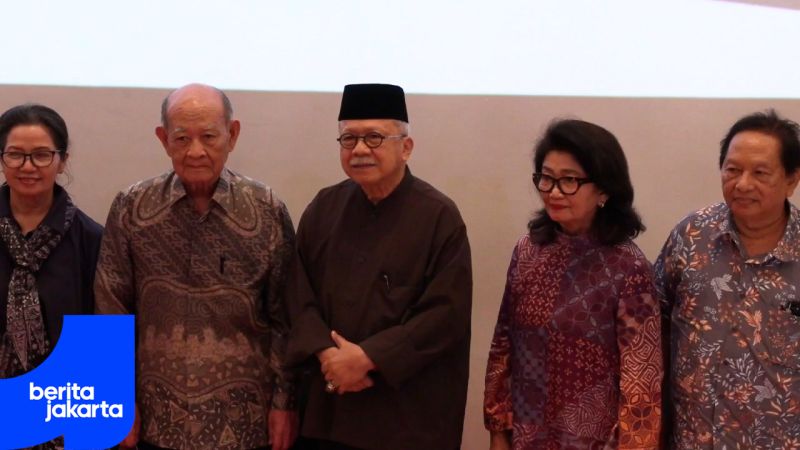
Former Jakarta Governor Fauzi Bowo (2007-2012), together with the team behind the book, held a soft launch of the Jakarta's Spatial Planning Journey: 1965-2012 at Theater I, Universitas Pembangunan Jaya (UPJ), Bintaro Jaya, South Tangerang.
A valuable source of reflection and learning for future generations
Fauzi said the book provides an in-depth account of Jakarta's spatial planning over nearly five decades, highlighting the major developments, challenges, and decisions that have shaped the city from its formal designation as the national capital through 2012. Beyond documenting this history, the publication is intended to offer future generations valuable insights into Jakarta's development.
"This book is not merely a record of the past, but also a valuable source of reflection and learning for future generations. Planning Jakarta is a long process that brings together technical, political, and public needs," he said on Monday (11/2).
Fauzi also noted that Jakarta's Spatial Planning Journey: 1965-2012 draws on important archives and urban planning blueprints, presenting them in chronological order.
"It covers the challenges of flood management, macro-level transportation, urban infrastructure, regulations on high-rise buildings, and land-use control, while also taking into account the preservation of historical heritage," he highlighted.
Fauzi, who also chairs the Customary Council of the Betawi Customary and Cultural Institution (LAKB), said the book examines the complexities of urban management at the local, regional, and national levels. He hopes it will serve as a strategic reference for policymakers in managing metropolitan areas in the future.
He added that the book grew out of a shared conviction among urban planners that Jakarta's development should remain consistent despite changes in leadership. Urban planning, he emphasized, must be carried out continuously and sustainably.
"Governors may change, but Jakarta must continue to be planned consistently and continuously. Together with fellow planners, both those who are still with us and those who have passed away, we have tried to compile these experiences into a book documenting the city's spatial planning journey," he asserted.
Fauzi said the book covers the period from 1965 to 2012. The starting year was chosen because Jakarta was formally established as the national capital and adopted its first spatial planning master plan for 1965-1985. The coverage ends in 2012, when most members of the planning team and civil servants involved in urban planning had retired.
Fauzi, popularly known as Foke, added that the book goes beyond recording the city's history, offering an evaluation based on historical data and experience.
"The material is expected to serve as a knowledge base and learning resource for future policymakers and urban planners," he said.
He emphasized the importance of comprehensive, integrated spatial planning across various sectors, including mass transportation, the environment, and the provision of public facilities and infrastructure.
Such integrated planning is essential to addressing the challenges of Jakarta's development as a competitive global city while ensuring a good quality of life for its residents.
"Residents are the most important part of city life. If they are prosperous, safe, and at peace, that is the ultimate goal of development. We hope Jakarta's future development will not rely solely on the government, but also involve all residents who feel a sense of ownership and love for their city," he said.
One of the book's authors, Bayu Wirawan, said he hoped the publication would help both the public and the government gain a better understanding of Jakarta's spatial planning history.
The book was written to help readers understand the historical roots and foundations of spatial planning in Jakarta. By understanding this history, the public is expected to take a more informed view of new policies and help prevent problems from the past from recurring.
"Urban spatial planning cannot work optimally if it relies solely on the government without public involvement. We therefore hope this book can also serve as a meeting point for aligning residents' needs with government policies for Jakarta's advancement," he said.