Wednesday, October 28th 2026 Reporter: Aldi Geri Lumban Tobing Translator: Maria Inggita 82
(Foto: Doc)
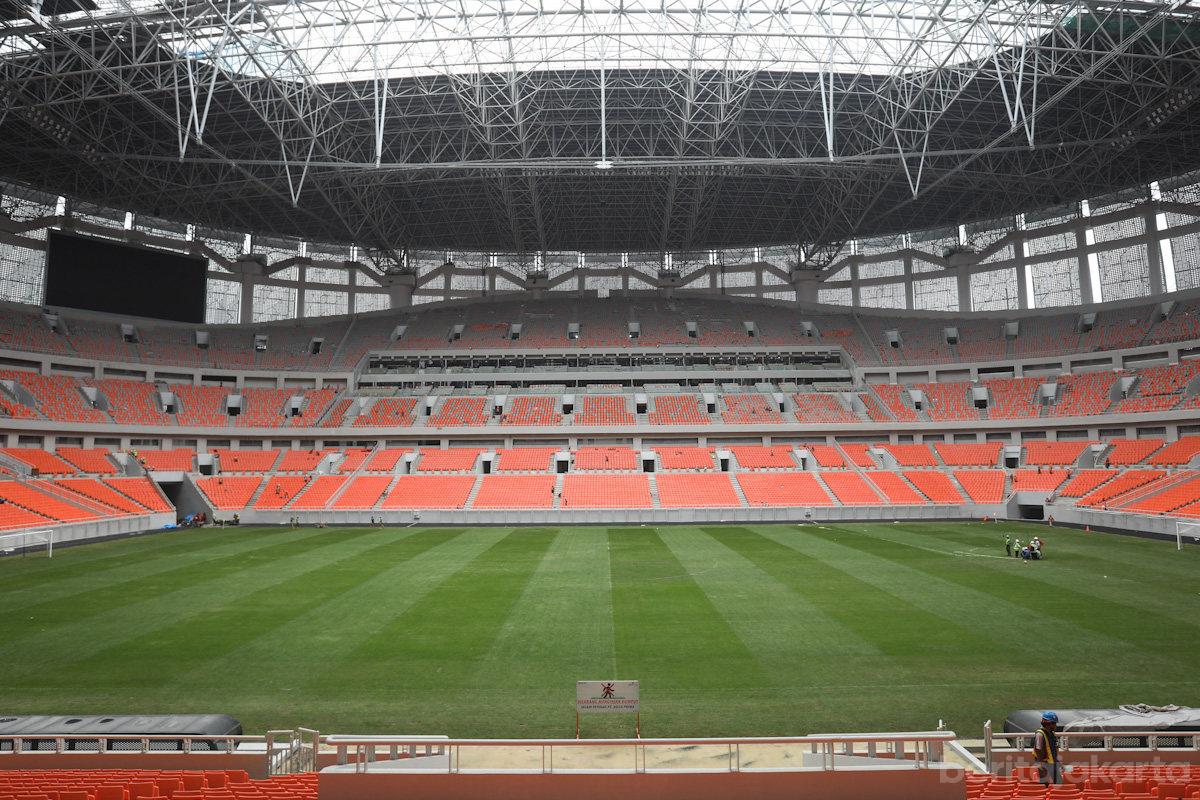
PT Jakarta Propertindo (Perseroda), or Jakpro, has acknowledged players' concerns and feedback about the condition of the grass at Jakarta International Stadium (JIS). The feedback is part of the company's efforts to maintain field quality and improve the stadium's service standards.
Determining the necessary improvements and adjustments
JIS SBU Head Shinta Syamsul Arief said that, as the stadium's operator, Jakpro considers field quality essential to player safety, comfort, and the smooth running of football matches.
Regular assessments of the field are therefore part of efforts to ensure the grass remains in good condition and meets operational needs and applicable technical standards.
"In response to the feedback and concerns raised, Jakpro has continued to conduct technical evaluations of the grass, including assessments of the playing surface's quality and the effectiveness of maintenance and care. The findings will serve as the basis for determining the necessary improvements and adjustments," she said on Wednesday (10/28).
Shinta said the evaluations had found significant improvements in grass installation, surface leveling, and root strength.
She added that the grass had been installed in about a week after the most recent concert, compared with up to four months using the previous method. The roots had also become stronger.
"This has helped the grass anchor more firmly to the playing surface, reducing the risk of grass coming loose during matches. In fact, no grass came loose during the most recent match," she explained.
Jakpro is also upgrading its grass maintenance system at JIS by developing a turf nursery and making greater use of maintenance technology.
These efforts will help ensure replacement grass is readily available, shorten recovery time after the field is used, and keep the playing surface in good condition for matches and other events.
Shinta said Jakpro was also refining its field-use management by taking into account the needs of football matches, concerts and other events, as well as the time required for the grass to recover after use.
"These arrangements are essential to balancing the optimal use of JIS as a multipurpose stadium with the technical requirements of a football field," she emphasized.
She explained that optimizing JIS involved not only making the most of the stadium for various events, but also consistently maintaining the quality of its facilities and services.
Through technical evaluations, ongoing maintenance, and improvements to operational management, Jakpro is committed to further enhancing JIS as a landmark stadium for Jakarta that can host sporting events and other activities at both national and international levels.
Shinta reaffirmed Jakpro's commitment to improving the stadium's facilities and services to meet the needs of different types of events.
"JIS was designed from the outset as a multipurpose stadium capable of hosting national and international events. Operational readiness is therefore a key priority that we continue to improve, including through the development of a turf nursery, the optimization of grass technology, and ongoing field maintenance," she noted.
She added that the efforts would further strengthen JIS's position as a venue for national and international sporting and other events.
"With better-planned facility management, JIS is expected to offer event organizers greater certainty about venue readiness while providing a safe and comfortable experience for athletes, spectators, and all stadium users," she said.