Thursday, August 20th 2026 Reporter: Dessy Suciati Translator: 55 85
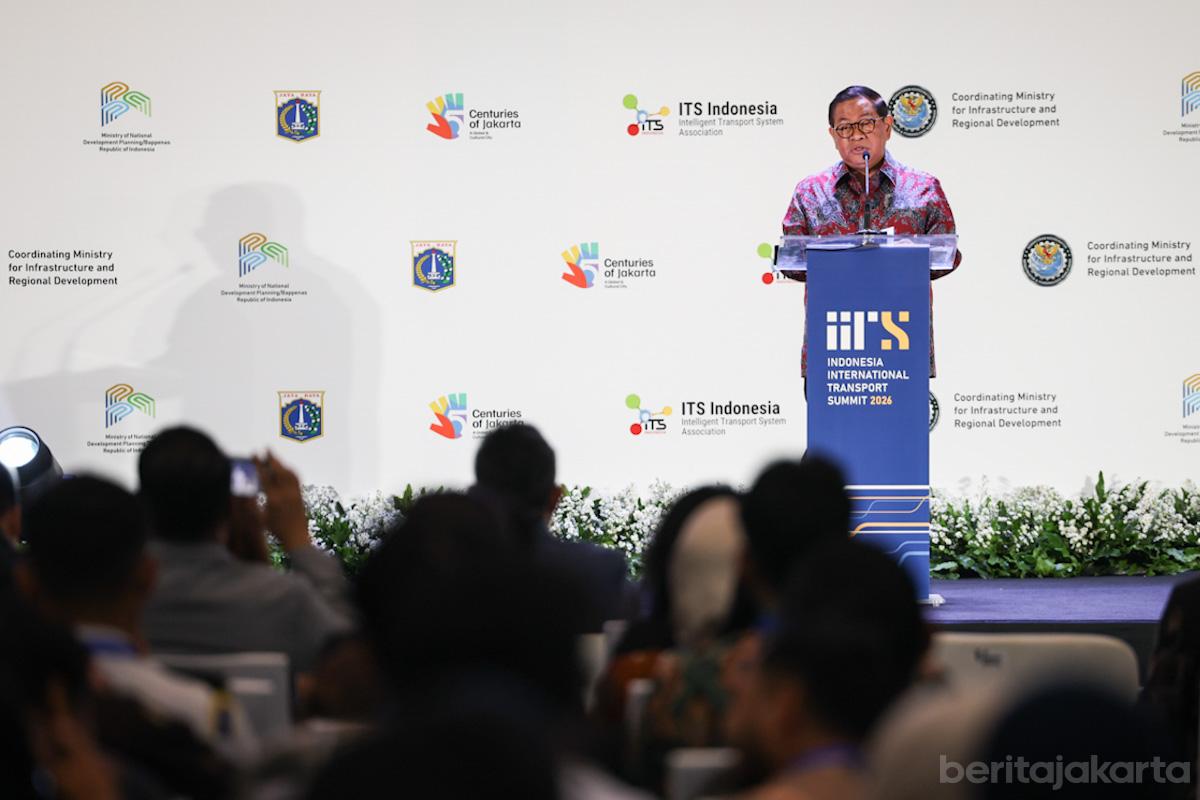
(Foto: Nugroho Sejati)
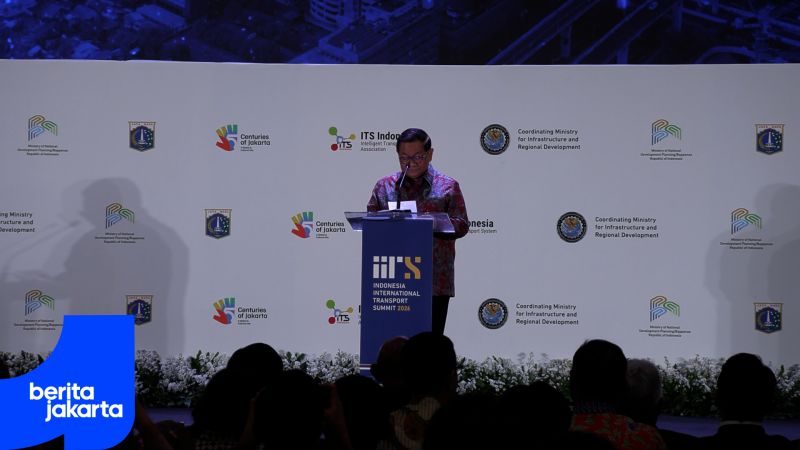
Jakarta Governor Pramono Anung served as the keynote speaker at the Indonesia International Transport Summit (IITS) 2026, held at The Tribrata Hotel & Convention Center, South Jakarta, Thursday (8/20).
In his opening remarks, Pramono called for bolstered collaboration to address transportation challenges and enhance urban mobility as a vital catalyst for economic growth.
This forum serves as a crucial opportunity to strengthen partnerships
"This forum serves as a crucial opportunity to strengthen partnerships and advance more sustainable mobility, aligned with Jakarta’s quincentenary journey toward becoming a global city," he expressed.
Transport challenges are a global phenomenon, shared by major cities worldwide. Beyond addressing traffic congestion, Jakarta is actively working to expand public access to transportation while simultaneously reducing pollution and carbon emissions.
According to him, the summit provides an essential platform for exchanging best practices with other cities—particularly across the Global South—to build mobility systems that are cleaner, more inclusive, and efficient.
Jakarta currently faces immense mobility pressures, with a resident population of 11.1 million and an additional 41.9 million people living in its surrounding satellite cities.
"This massive population and the sheer volume of daily commuter movements exert significant pressure on our urban mobility system," Pramono noted.
On the other hand, Jakarta has made significant strides in expanding public transport access, which now reaches approximately 92 percent of the population.
However, the transportation sector remains the largest source of greenhouse gas emissions, accounting for 52 percent of the city's direct emissions in 2024. The high reliance on private vehicles continues to fuel traffic congestion and pollution, leading to a diminished quality of life for residents.
Consequently, he is urging the public to adopt public transport as their primary mode of mobility. He emphasized that the transformation of the transport sector is a cornerstone of Jakarta’s broader low-carbon agenda.
The Jakarta government has set an ambitious roadmap to achieve Net Zero Emissions by 2050, including a 30 percent reduction in greenhouse gas emissions by 2030. Further, the city aims to increase public transport usage to 55 percent of all city trips by 2044.
To bolster urban mobility, Jakarta is focusing on expanding transit services, providing free public transport access for 15 specific social groups, developing Transit-Oriented Development (TOD) areas, and upgrading pedestrian facilities.
Additionally, the administration is actively managing private vehicle usage through the odd-even traffic system, parking disincentives for vehicles that fail emission tests, the establishment of Low Emission Zones (LEZ), and the implementation of Electronic Road Pricing (ERP).
To accelerate the green transition through the electrification of public transit, the Jakarta government has already deployed 500 electric buses, with an ambitious target of reaching 10,047 units by 2030.
"This signifies that the entire TransJakarta fleet will eventually transition to electric power," he added.
He further emphasized that the transformation of urban transportation requires deep-rooted synergy between national ministries, local governments, the private sector, technological innovators, and the public.
"I hope this forum can bolster collaboration, drive innovation, and promote transport investments that yield both economic and environmental benefits for the sustainable cities of the future," he concluded.
![<?//= $potret[0]->photo_filename ?>](https://multimedia.beritajakarta.id/photo/potret-jakarta/2026/08/NtjKWEsFcKfg60KvR9J3FKL5Ptbl0C7x.jpg)