Monday, August 10th 2026 Reporter: Dessy Suciati Translator: 57 80
(Foto: Bilal Nugraha Ginanjar)
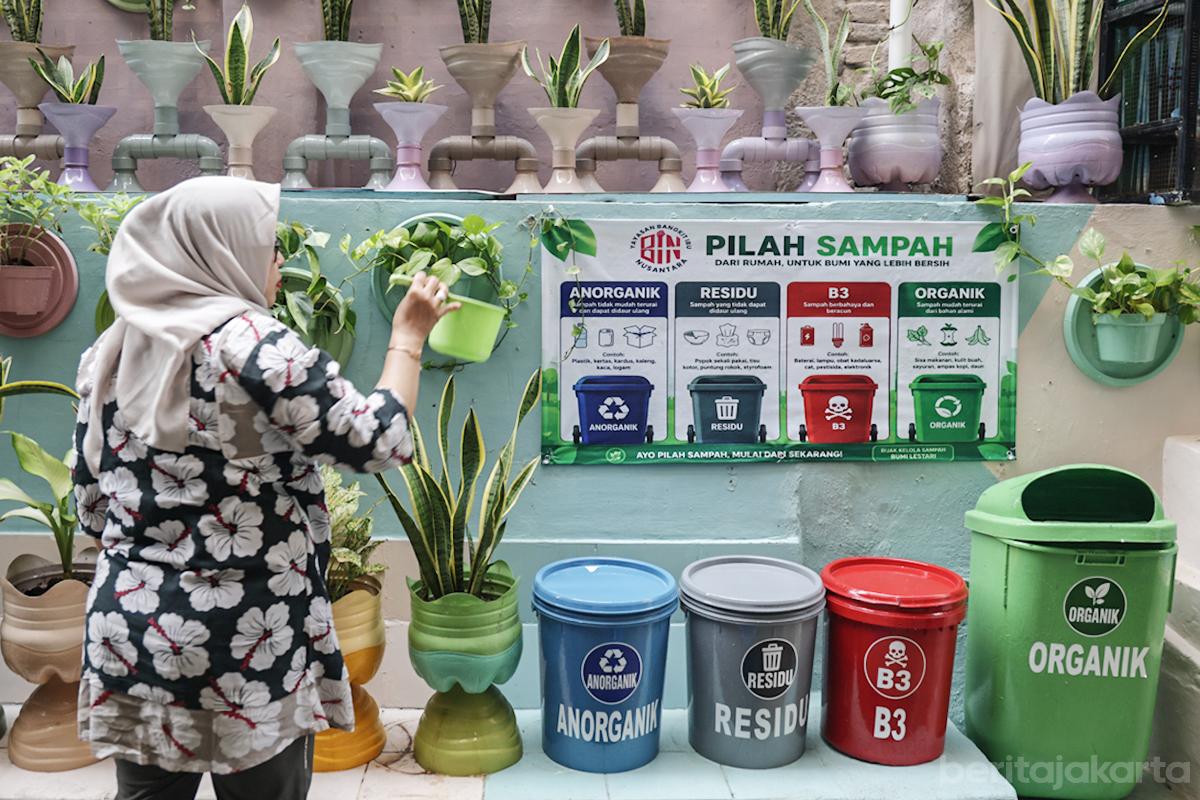
Jakarta Governor Pramono Anung stated that the waste sorting movement in Jakarta is being implemented on an increasingly massive scale by the public, starting at the neighborhood (RT/RW) level. As of early August, the implementation of this waste sorting movement in the city has reached 23.14 percent.
Pramono conveyed this during the National Declaration on the Launch of Social Protection for Indonesia's Informal Waste Sector at the Rorotan RDF Plant, North Jakarta, Monday (8/10).
This has become a movement
"Since this has become a movement, I am certain that momentum is building for it everywhere. As of early August, the rate of waste sorting in Jakarta had reached 23.14 percent," said Pramono.
Pramono does not deny that there are still issues with implementing this waste sorting initiative. Pramono cited recent problems regarding waste management handled by the private sector as an example.
The private entity collects waste from the hotel, restaurant, and café sector and charges a fee for its services. However, in the course of its operations, it disposes of the waste at unauthorized sites, thereby causing environmental problems.
Consequently, the Jakarta Provincial Government has imposed administrative fines of Rp 5 million on the private companies in question. Should they repeat the offense, the provincial government will revoke their business licenses.
"I am now calling for the public disclosure of the company names involved in cases like this, specifically where the waste came from, why it was dumped there, and so on," he added.
Furthermore, Pramono also stated that the implementation of this waste sorting initiative is supported by the provision of increasingly comprehensive facilities.
Pramono noted that there are currently 2,247 waste bank units across various areas of Jakarta. Furthermore, the Jakarta Provincial Government operates 31 TPS 3R facilities with a processing capacity of 100 to 150 tons per day.
"Regarding waste management in Jakarta, where the daily task of handling 9,000 tons of waste once seemed unimaginable, thankfully the situation is now being managed much better," Pramono admitted.
![<?//= $potret[0]->photo_filename ?>](https://multimedia.beritajakarta.id/photo/potret-jakarta/2026/08/Piyqsr2gTbWhw1BGVbu8umQhkaxGoEib.jpg)