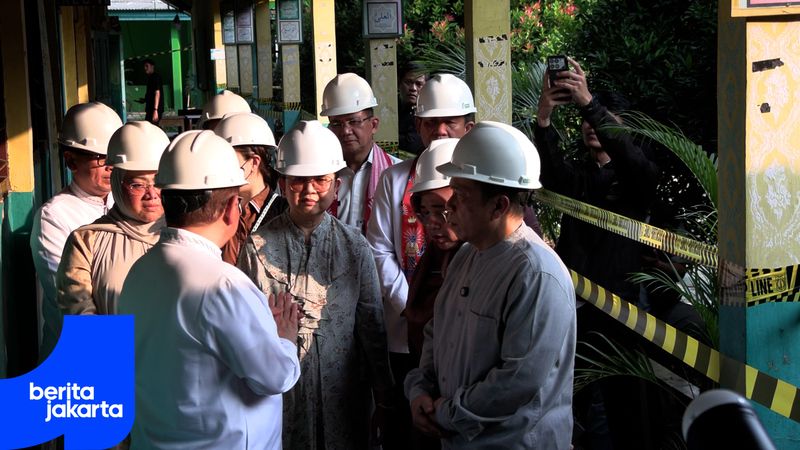
Friday, July 24th 2026 Reporter: Aldi Geri Lumban Tobing Translator: Nugroho Adibrata 184
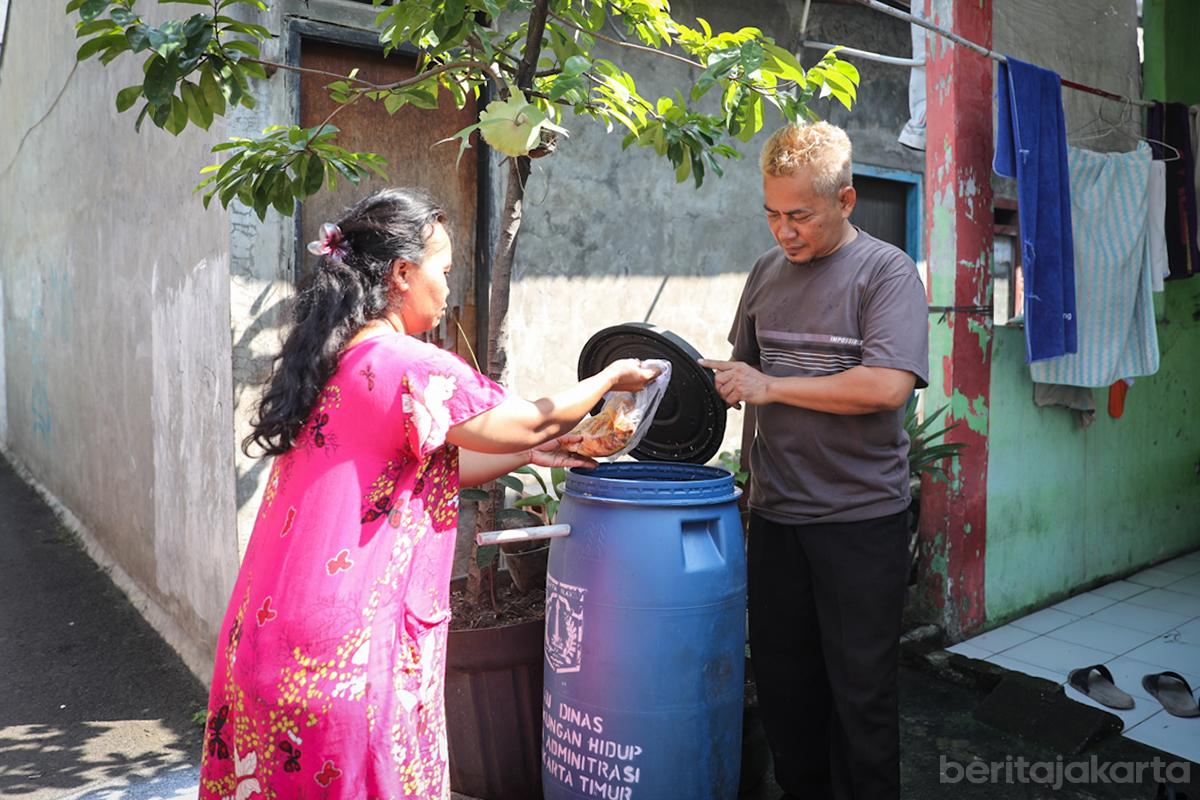
(Foto: Nugroho Sejati)
The Jakarta administration is intensifying waste reduction at the source by urging the public to manage food more responsibly.
This step is crucial, as food scraps remain the largest component of organic waste that the government must collect, transport, and process every day.
Our soaring food waste is weighing down the city's management systems
Jakarta Environmental Agency Head, Dudi Gardesi Asikin stated that trimming food waste from households and businesses will directly ease the pressure on the city’s waste management system.
"The less food we throw away, the less waste we have to collect, haul, and treat. Therefore, reducing food waste must become a core daily habit for everyone in Jakarta," he expressed, Friday (7/24).
Through the Jakarta Residents Food Wise and Waste Sorting movements, the public is encouraged to plan their consumption, prevent food waste, utilize surplus edible food, and sort waste at the source.
He explained that these initiatives, conducted in partnership with the Indonesia Business Council for Sustainable Development (IBCSD), also involve communities and the sector of hotels, restaurants, and catering.
This collaboration is part of the Jakarta government’s efforts to build a more effective and sustainable waste management system.
Jakarta is grappling with 9,059 tons of trash every single day—and nearly half of it comes from our kitchens.
Dudi noted that residents can contribute through simple steps: planning grocery shopping based on actual needs, taking appropriate portions, finishing meals, repurposing edible food, and separating organic from inorganic waste.
"Our soaring food waste is weighing down the city's management systems. We need to make smarter food choices a natural part of our daily routine," he shared.
IBCSD Executive Director, Indah Budiani says the Food Wise movement is all about reframing food waste as something we can stop with better habits.
The kickoff even featured a Food Wise Men's Cooking Demo to show that managing food is an all-hands-on-deck family affair, not just a job for women.
"It's the small things that count—shopping smart, mastering food storage, getting creative with leftovers, and sharing what we don't need with others," she added.
She emphasized that behavioral changes at home can have a significant impact if practiced consistently by millions of Jakartans. Beyond reducing waste, wise food management helps lower household expenditures and strengthens social solidarity.
Hopefully, the Jakarta Residents Food Wise and Waste Sorting initiatives would evolve into a collective movement.
“Through the involvement of the government, the public, communities, and the private sector, the volume of food waste ending up in landfills can be minimized right at the source,” she concluded.
![<?//= $potret[0]->photo_filename ?>](https://multimedia.beritajakarta.id/photo/potret-jakarta/2026/07/4y74Sbs0cWRmQNFslPe6MPTbSKn8GXIg.jpg)