Monday, June 29th 2026 Reporter: Dessy Suciati Translator: Rizky Mawardi 97
(Foto: Reza Pratama Putra)
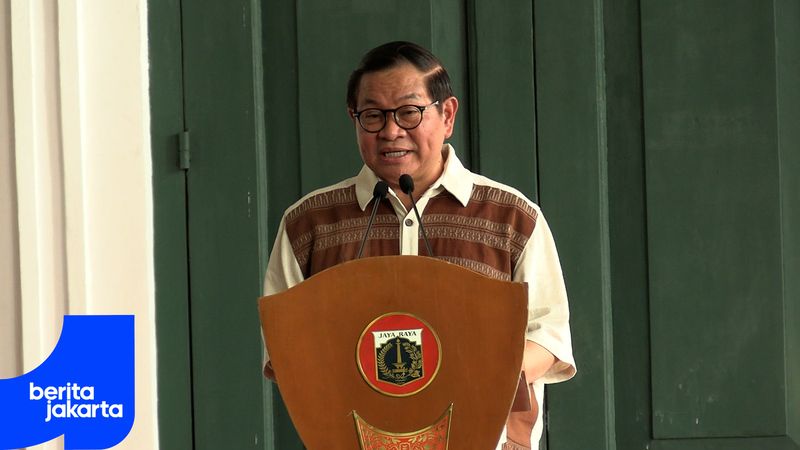
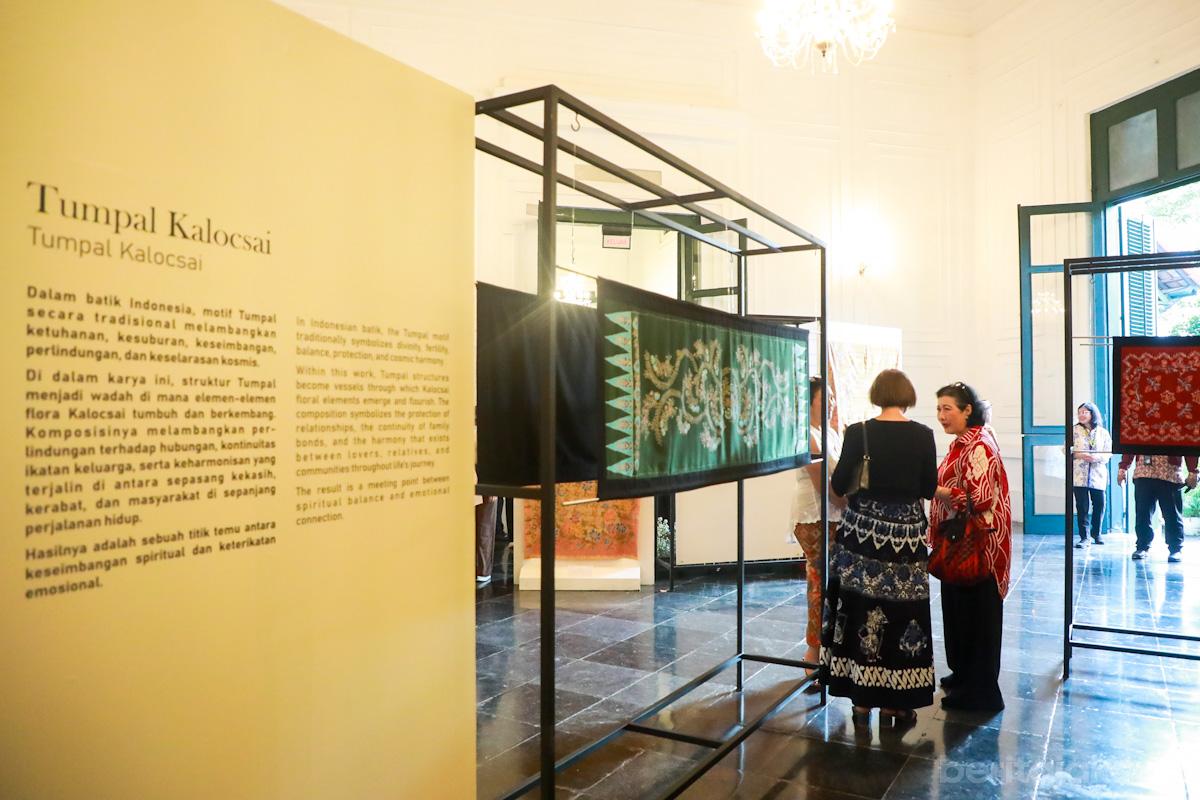
Jakarta Governor Pramono Anung opened the Hungarian-Indonesian cultural exhibition "Threads of Wax" at the Museum of Fine Arts and Ceramics, West Jakarta, Monday (6/29).
This cultural exhibition is a collaboration between the Hungarian Embassy and the Jakarta Provincial Government. It showcases Indonesian batik patterns from various regions, including Yogyakarta, Solo, Lasem, Pekalongan, and others, combined with distinctive Hungarian motifs.
The relationship grows on trust
"Thank you to the Hungarian Embassy for collaborating with the Jakarta Government to hold a batik exhibition which is a combination of batik from Indonesia," said Pramono.
According to Pramono, this exhibition comes at the right moment, namely during the 70th anniversary of diplomatic relations between Hungary and Indonesia and during the celebration of the 499th anniversary of Jakarta.
"The relationship grows on trust, friendship, mutual understanding, and a shared commitment to working together across generations," he added.
He continued that this spirit is also reflected in the sister city partnership between Jakarta and Budapest. The "Threads of Wax" exhibition demonstrates how culture can strengthen friendship and mutual understanding between nations.
The location of the exhibition at the Museum of Fine Arts and Ceramics was also deemed appropriate because it created a space for dialogue, cultural exchange, and inspiration.
These cultural preservation efforts also become Jakarta's spirit in transforming into a global city and shaping the city's character.
"This exhibition will further strengthen the partnership between Jakarta and Budapest, as well as between Indonesia and Hungary, not only in the fields of arts and culture, but also in education, the creative economy, urban innovation, and sustainable development," he continued.
The Hungarian Ambassador to Indonesia, Lilla Karsay, stated that this exhibition presents a beautiful cultural collaboration through various traditional batik motifs combined with Hungarian folklore.
"I think this exhibition is very unique and beautiful, which combines two UNESCO world heritage textile styles," she admitted.
![<?//= $potret[0]->photo_filename ?>](https://multimedia.beritajakarta.id/photo/potret-jakarta/2026/06/f7znpm28dIulBJiCauuxBEnEhiNIGXbs.jpg)