Wednesday, February 18th 2026 Reporter: Fakhrizal Fakhri Translator: Nugroho Adibrata 485
(Foto: Doc)
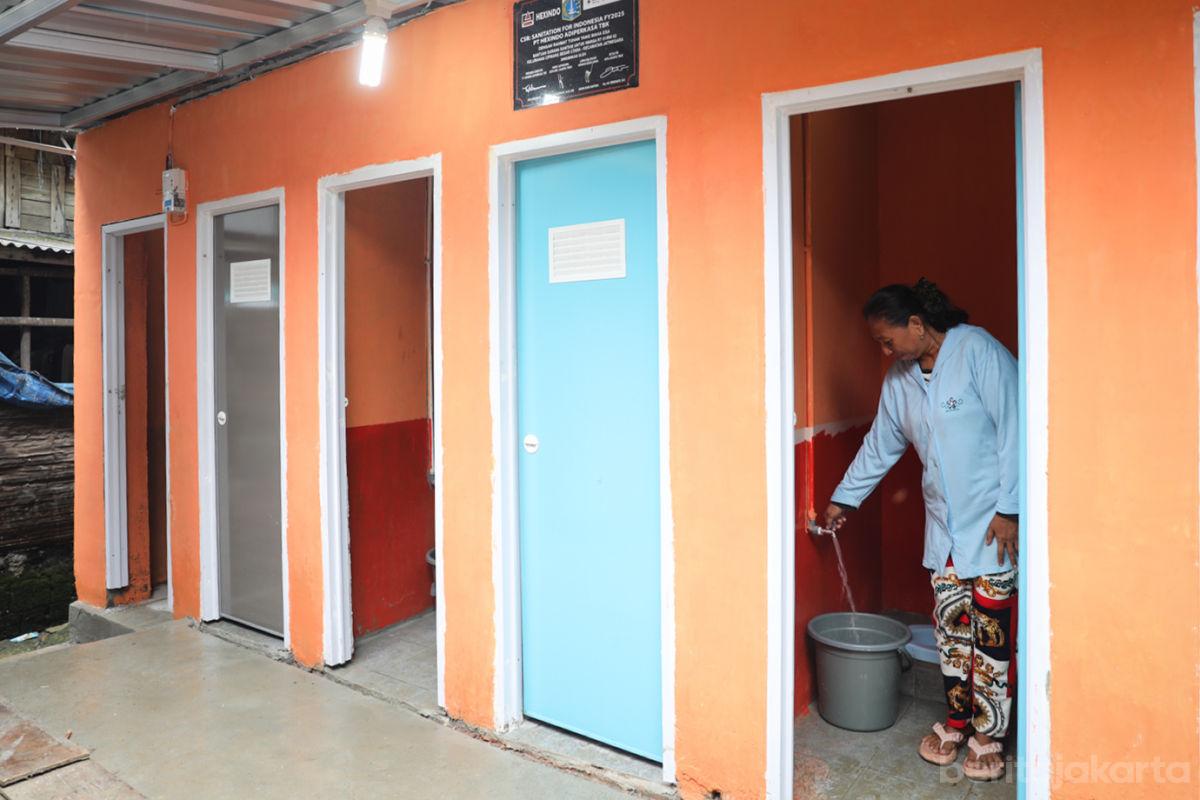
PAM Jaya and Paljaya are joining hands to breathe new life into communal sanitation facilities (MCK) in Manggarai, South Jakarta. This collaborative effort is set to give a leg up to the health and hygiene standards of approximately 100 households.
The revitalization features a complete infrastructure overhaul, expanded piping networks, and the rollout of Biopal and centralized waste treatment systems. By putting an end to direct waste disposal into the river, the project aims to nip E. coli contamination in the bud and significantly reduce water pollution.
This initiative is a cornerstone of Jakarta’s transformation into a Global City
This program is part of Jakarta’s all-out effort to pave the way toward becoming a clean and healthy Global City by ensuring all residents have access to up-to-par sanitation.
Jakarta City Council Commission B Chairwoman, Nova Harivan Paloh said, the revitalization of communal sanitation facilities (MCK) in Manggarai is a major win for local residents.
“We want to make clean and healthy living second nature for the community,” he expressed, Wednesday (2/18).
Prior to the face-lift, the facilities were in shambles, with unhygienic conditions and raw sewage dumped directly into the river. Today, waste is channeled through the Domestic Wastewater Management System (SPALD), supported by a communal treatment plant in the area.
"This initiative is a cornerstone of Jakarta’s transformation into a Global City,” he added.
Paloh explained that the project took two months to wrap up as crews had to go the extra mile to extend the piping network to the site.
Further, Paljaya is currently rolling out a zoning program to link residential areas to a centralized system. For communal hubs like Manggarai, this centralized approach is designed to be more effective and keep things green.
Similar programs are already in the works for other areas, including Cilandak and TB Simatupang, with the capacity to serve up to 1,000 households.
Hopefully, an integrated waste management system will turn the tide for Jakarta’s rivers, ensuring a cleaner environment for years to come.
“The old facilities here were in a sorry. In the future, we are mapping out various zones across Jakarta to transition toward centralized domestic waste management via the SPALD system. We intend to keep the ball rolling on this transformation,” he concluded.
![<?//= $potret[0]->photo_filename ?>](https://multimedia.beritajakarta.id/photo/potret-jakarta/2026/06/GT7AE6XYY9cULBjedqc7tLAIvjTtHFqR.jpg)