Monday, February 9th 2026 Reporter: Fakhrizal Fakhri Translator: Maria Inggita 694
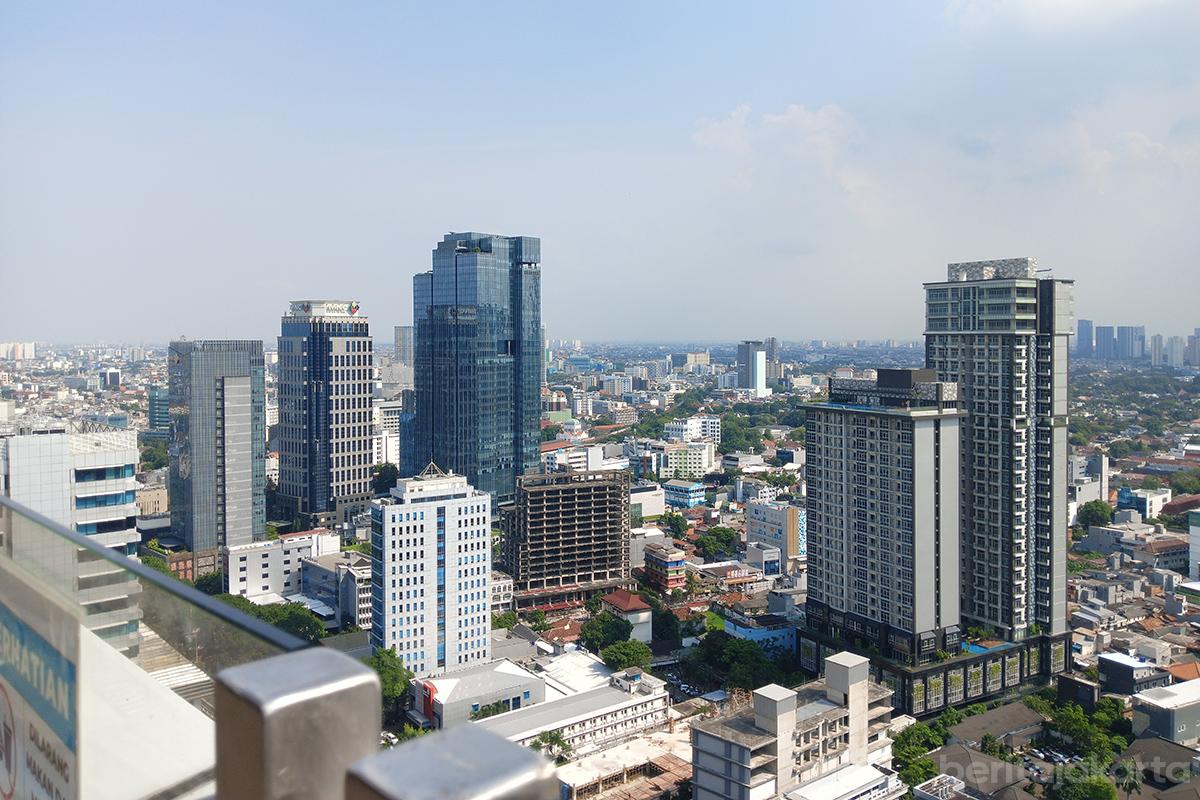
(Foto: Doc)
Jakarta Council (DPRD) Commission B Vice Chairman, Wahyu Dewanto, voiced his support for the issuance of Gubernatorial Regulation (Pergub) No. 5/2026 on Energy and Water Efficiency in Buildings.
"This is a very positive step to reduce energy and water consumption,"
He described the policy as a concrete step in climate change mitigation efforts.
This pergub is part of the Climate Action Implementation (CAI) program run by the Jakarta Provincial Government in cooperation with the UK government and the C40 Cities.
According to Wahyu, energy and water efficiency is crucial for a megacity like Jakarta with heavy electricity and water use, while also promoting more sustainable building management.
"This is a very positive step to reduce energy and water consumption, especially in large cities. The CAI program can also significantly cut electricity and water use, helping lower utility costs for building owners," he explained on Monday (2/9).
However, Wahyu pointed out that successful implementation will require strong commitment from building owners. He noted that energy and water efficiency measures often require upfront investment, such as installing more energy- and water-efficient equipment.
"Changes in occupant behavior are also a key factor in ensuring the program's success," he added.
Wahyu called for serious public campaigns and measurable evaluations through regular performance monitoring to ensure the CAI program is implemented effectively. This, he said, would allow the results of energy and water efficient measures in each building to be tracked in a tangible way.
He further emphasized that the CAI program could be expanded to include non-government buildings. According to him, the provincial government could offer incentives to building owners who consistently implement the program.
Wahyu also suggested that provisions on the development of energy- and water-efficient buildings could be broadly incorporated into the Regional Spatial Plan (RTRW). In addition, energy and water conservation measures and increasingly eco-friendly building designs could inform the drafting of the Jakarta Green Building Regulation.
"With advances in green technology and building design, this can certainly serve as a foundation to strengthen green building regulations in Jakarta going forward," he stated.
For context, Jakarta Governor Pramono Anung has set a target for the CAI program to cut greenhouse gas emissions by 31.89 percent by 2030 and improve energy and water efficiency by up to 30 percent. The targets are seen as crucial, given that the building sector accounts for around 60 percent of Jakarta's emissions.
With international support, the Jakarta Government is pushing to make government buildings green building role models as Jakarta moves toward a low-carbon, sustainable city.
![<?//= $potret[0]->photo_filename ?>](https://multimedia.beritajakarta.id/photo/potret-jakarta/2026/06/zLHuD597IUTD0f8kc647mMqOzXA05Hrq.jpg)