Wednesday, February 4th 2026 Reporter: Fakhrizal Fakhri Translator: Nugroho Adibrata 290
(Foto: Andri Widiyanto)
Jakarta’s Regional Legislation Body (Bapemperda) Chairman, Abdul Aziz is optimistic that the draft bylaw on the Provincial Industrial Development Plan (RPIP) 2026–2046 will effectively curb the capital’s unemployment rate.
Aziz noted that this optimism is rooted in the RPIP’s strategic role in steering industrial growth through a planned and sustainable framework.
Bapemperda is prioritizing the RPIP draft to expedite its passage
According to him, the bylaw has been highly anticipated by relevant agencies, particularly those overseeing SMEs and industry. Despite being proposed back in 2015, the draft had remained in limbo without reaching full deliberation.
"Given the long backlog, Bapemperda is prioritizing the RPIP draft to expedite its passage. We expect this regulation to yield positive outcomes for the public, especially in boosting workforce absorption and industrial development at large," he stated, Wednesday (2/4).
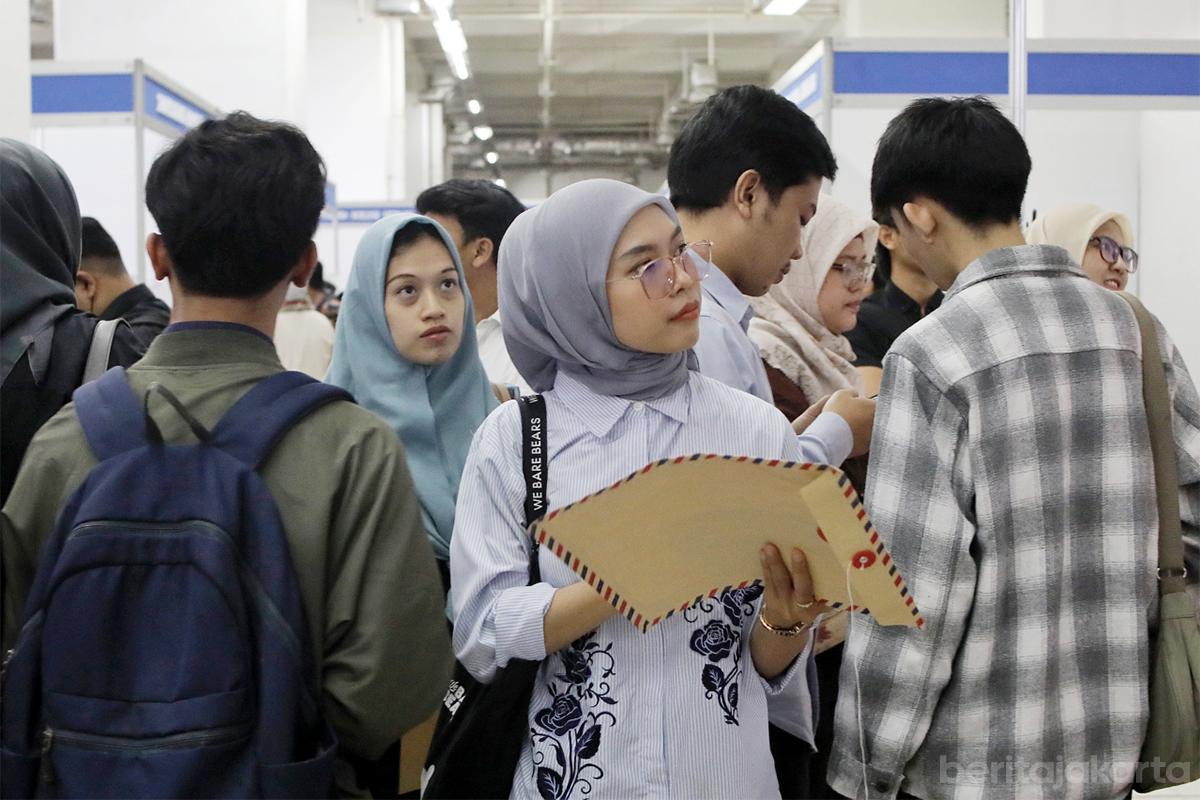
He added that the RPIP is designed to drive higher workforce absorption, specifically targeting high school and vocational graduates who currently face significant unemployment hurdles.
He explained that as Jakarta’s industrial landscape becomes increasingly specialized, coordination with the Education Agency (Disdik) is vital to cultivate a job-ready workforce. This involves aligning educational curricula with the evolving demands of the industrial and business sectors.
"With meticulous planning, we can forecast industrial labor requirements with high precision. By matching the supply of graduates to actual market demand, we can achieve optimal—if not near-total—workforce absorption," he clarified.
Aziz is optimistic that the implementation of the RPIP will be a major breakthrough in slashing Jakarta’s unemployment rates. Beyond helping graduates break into the job market, the policy is seen as a win-win for industries, as it provides them with a workforce perfectly tailored to their specific needs.
![<?//= $potret[0]->photo_filename ?>](https://multimedia.beritajakarta.id/photo/potret-jakarta/2026/06/zLHuD597IUTD0f8kc647mMqOzXA05Hrq.jpg)